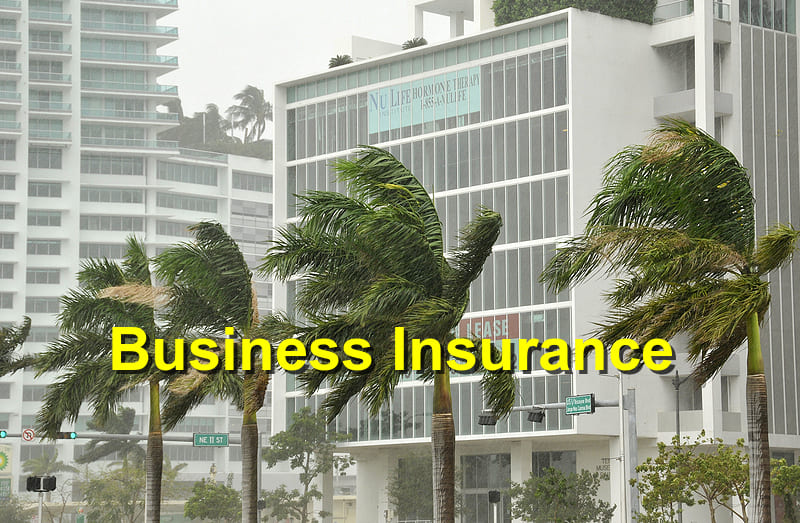
California’s changing climate brings increased storm and flood risks that can devastate small businesses, interrupting operations and destroying inventory. Strategic business insurance planning 2026 requires understanding the significant coverage gaps in standard commercial policies and taking proactive steps to protect your company’s assets, operations, and financial future.
The Flood Coverage Gap in Commercial Policies
Standard business insurance policies in California typically exclude flood damage, mudslides, debris flow, and similar water-related disasters. This critical gap means that without separate flood insurance, your business could face catastrophic financial losses from flood events that your regular commercial property policy simply won’t cover, regardless of how comprehensive it may seem.
National Flood Insurance Program for Businesses
- Maximum coverage of $500,000 for non-residential commercial buildings under NFIP
- Content coverage available separately from building coverage for inventory and equipment
- Standard 30-day waiting period before policies take effect after purchase
- Available in over 22,600 participating NFIP communities nationwide
- Approximately 99% of California communities participate in the NFIP program
- Private flood insurance options may offer higher limits than NFIP maximums
Mandatory Flood Insurance Requirements
Businesses located in high-risk flood areas (Special Flood Hazard Areas or SFHAs) with mortgages from government-backed lenders are legally required to carry flood insurance. This mandatory requirement includes loans from the Small Business Administration, Federal Housing Administration, and other federal financing agencies. Circadian Insurance Brokers advises checking your official flood zone designation even if you believe your business isn’t located in a traditionally high-risk area, as flood maps are regularly updated.
Understanding Your Flood Risk
The California Office of the Small Business Advocate urges business owners to carefully assess their flood risk regardless of their location or historical flooding patterns. Climate change has significantly altered traditional flood patterns across California, and areas previously considered low-risk may now face substantially increased exposure to flooding events during atmospheric river storms.
Business Continuity Planning
Beyond purchasing appropriate insurance coverage, California small businesses should develop comprehensive disaster preparedness and continuity plans. The Outsmart Disaster program through CalOSBA provides a Resiliency Roadmap and free training resources to help small businesses prepare for, survive, and recover from floods and other natural disasters.
Document your business inventory thoroughly with detailed photos and itemized records of all equipment, furniture, and inventory. Store important documents in waterproof containers or maintain digital copies in secure cloud storage accessible from any location. Develop an emergency communication plan for employees, suppliers, and customers to maintain business relationships during any recovery period.
This article provides general information and is not insurance advice.