California’s extensive coastline and numerous inland waterways attract millions of recreational boaters each summer. Understanding boat insurance tips for owners helps ensure you’re properly protected financially while enjoying everything from Pacific Ocean sailing to freshwater lake recreation across the Golden State.
California Boater Education Requirements
As of January 1, 2025, all operators of motorized vessels in California must complete a state-approved boating safety course and obtain a California Boater Card. This mandatory education law applies regardless of age for motorized vessel operators, though limited exceptions exist for sailboats under 30 feet using wind as their primary propulsion method and dinghies used only for transport between moored vessels and shore.
Required Safety Equipment for California Boats
- U.S. Coast Guard-approved life jackets for each person aboard in serviceable condition
- Navigation lights operational between sunset and sunrise and during reduced visibility
- Sound signaling devices including a whistle; boats over 39 feet need both whistle and bell
- Fire extinguishers not older than 12 years from the date of manufacture
- Visual distress signals for coastal waters on boats 16 feet or longer
- Backfire flame arrestor for inboard gasoline motors not exposed to atmosphere
- Effective muffling system for internal combustion engine exhaust
Boat Insurance Coverage Considerations
While California doesn’t mandate boat liability insurance for recreational vessels, protecting yourself financially from potential lawsuits is essential. Comprehensive boat insurance typically covers property damage to your vessel from accidents or weather, liability for injuries or damage you cause to others, medical payments for passengers injured aboard, and coverage for theft, vandalism, and fire damage. Circadian Insurance Brokers recommends coverage limits that appropriately reflect the current market value of your vessel and your potential liability exposure based on how and where you boat.
Factors Affecting Boat Insurance Costs
Insurance premiums for boats depend on numerous factors including vessel type, overall length, engine horsepower, age and condition, and the waters where you typically operate. Completing a NASBLA-approved boating safety course may qualify you for premium discounts with many marine insurance providers. Your personal boating experience, prior claims history, and installed safety equipment also influence your rates significantly.
Liability Risks on California Waters
Operating a vessel while intoxicated is illegal in California and creates significant liability exposure beyond potential criminal penalties. Reckless or negligent vessel operation can result in both criminal charges and civil liability for injuries or property damage. California law requires operators to report accidents resulting in death, injury requiring medical attention beyond first aid, or property damage exceeding $500.
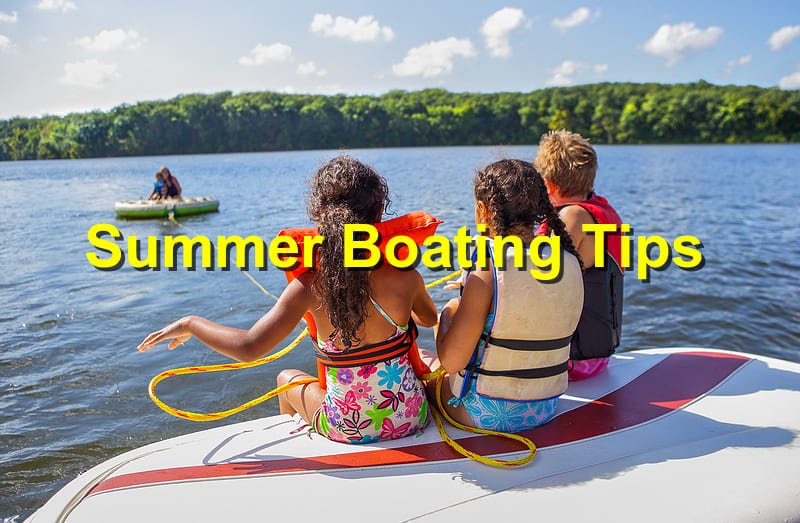
Children under 13 must wear life jackets at all times while on moving vessels, with limited exceptions for enclosed cabins. Understanding and consistently following these regulations not only keeps passengers safe but demonstrates the responsible operation that insurers consider when evaluating claims.
This article provides general information and is not insurance advice.