
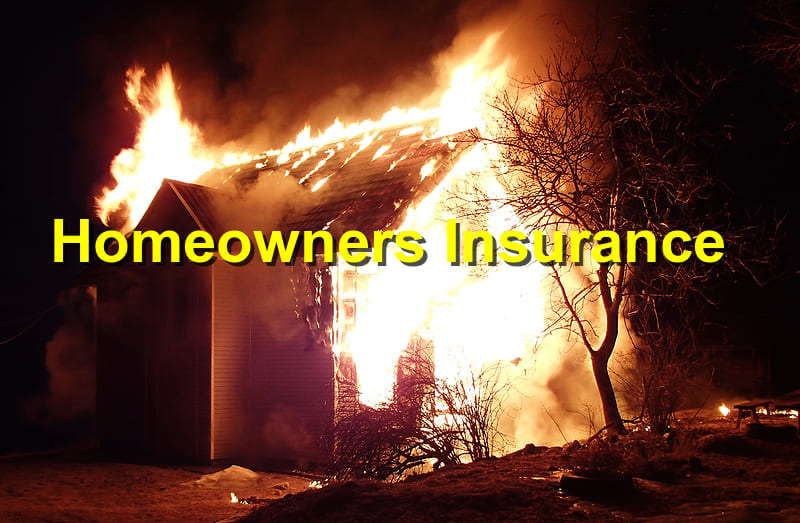
California homeowners face increasing wildfire risks that impact both property safety and insurance availability throughout the state. Creating a comprehensive homeowners insurance checklist 2026 helps ensure you have adequate coverage while taking meaningful steps to protect your home and potentially reduce your premiums through recognized mitigation efforts.
Understanding California’s Wildfire Insurance Landscape
Climate change-intensified wildfires have significantly impacted California’s residential insurance market in recent years, leading to rising premiums, reduced coverage options, and policy cancellations or non-renewals in high-risk areas. The California Department of Insurance has implemented new regulations requiring insurers to recognize and reward homeowner wildfire mitigation efforts when calculating rates and making coverage decisions.
Safer from Wildfires Discount Requirements
- Class-A fire-rated roof including asphalt shingles, concrete, or metal—not wood shake
- Ember-resistant vents with 1/16 to 1/8 inch noncombustible metal mesh screens
- Non-combustible materials like brick or fiber-cement for the bottom 6 inches of exterior walls
- Enclosed eaves with soffits using ignition-resistant materials
- Multi-paned windows or protective shutters that resist breaking during fires
- 5-foot ember-resistant zone around the home using stone or decomposed granite instead of mulch
- Cleared vegetation and defensible space compliance with state laws
Wildfire Risk Scores and Your Policy
Insurance companies assign wildfire risk scores to individual properties based on location, terrain, vegetation, and other factors. Under new California regulations, insurers must provide this score upon application, renewal, or non-renewal, along with clear explanations of how to lower it through mitigation. Circadian Insurance Brokers encourages all homeowners in fire-prone areas to request their risk score and understand what specific mitigation steps could reduce their premiums.
Additional Living Expense Coverage
If your home becomes uninhabitable due to wildfire damage, Additional Living Expense (ALE) coverage pays for temporary housing, increased food costs, transportation, storage, and furniture rental for temporary residences. California law requires a minimum of 24 months of ALE coverage, extendable for good cause in major disasters. Keep all receipts for covered expenses during any displacement period.
The California FAIR Plan Option
Homeowners unable to find coverage in the traditional market can turn to the California FAIR Plan as an insurer of last resort. However, the FAIR Plan provides limited fire-specific coverage, typically requiring purchase of a separate Differences in Conditions (DIC) policy for comprehensive protection including liability, water damage, and other risks not covered by the basic FAIR Plan policy.
After completing any mitigation work, contact your insurer with documentation or arrange for an inspection to verify improvements. Premium savings typically apply at your next policy renewal period. Creating a detailed home inventory with photos of valuable items simplifies the claims process if disaster strikes.
This article provides general information and is not insurance advice.